
The Best Month to Visit Singapore: Your Ultimate Guide
Singapore, the vibrant Lion City, is a year-round destination thanks to its equatorial climate—hot, humid, and often rainy. But if you’re wondering which is the best month to visit, the consensus from weather data and travel experts points to February. It’s typically the driest and sunniest month, with lower humidity, fewer rainy days (around 10-13), and pleasant conditions for exploring outdoors. That said, Singapore’s weather is unpredictable, and showers can happen anytime. The “best” month ultimately depends on your priorities: weather, crowds, events, or budget.
Singapore’s Climate Overview
Located just north of the equator, Singapore has a tropical rainforest climate with:
- Temperatures: Consistently warm, averaging 25–32°C (77–90°F) year-round, with little variation.
- Humidity: High (70–90%), making it feel sticky.
- Rainfall: No true dry season, but less rain from February to April (dryer period) and June to September. The wettest months are November–January (Northeast Monsoon) and October (inter-monsoon thunderstorms).
- Sunshine: Most in February (sunniest month).
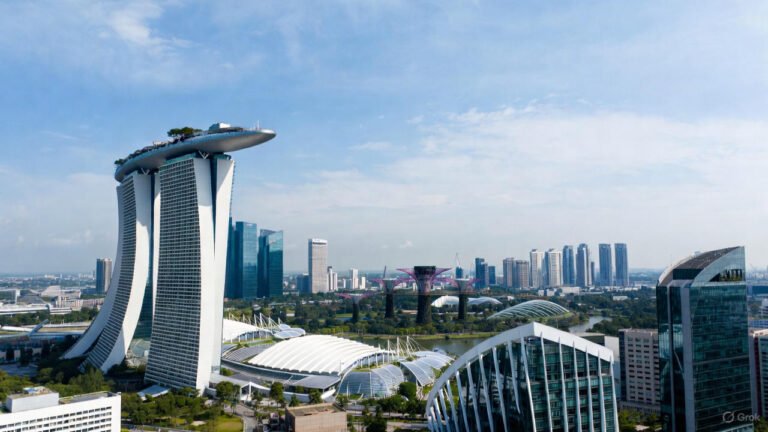
The iconic Marina Bay Sands skyline—best enjoyed on clear, sunny days.
Why February is Often the Best Month
- Weather: Driest month with the lowest rainfall (around 100–130mm) and fewest rainy days. More sunshine and slightly lower humidity make it ideal for outdoor activities like strolling Gardens by the Bay or Sentosa beaches.
- Post-Chinese New Year: If you avoid the exact CNY dates (which vary, often late January/early February), crowds thin out while festive vibes linger.
- Crowds & Costs: Shoulder season—fewer tourists than peak summer or December holidays, with reasonable hotel rates.
The futuristic Supertrees at Gardens by the Bay shine brightest under blue skies.
Month-by-Month Breakdown
| Month | Weather Highlights | Rainfall (approx.) | Crowds/Events | Best For |
|---|---|---|---|---|
| January | Cooler, but wet (monsoon peak) | High (250mm+) | Chinese New Year festivities | Festive lights & indoor activities |
| February | Driest, sunniest, lower humidity | Low (100–130mm) | Post-CNY calm | Outdoor exploration (top pick) |
| March–April | Warm, sunny, occasional storms | Moderate | Fewer crowds | Sightseeing & beaches |
| May–June | Hottest, increasing rain | Moderate–High | School holidays, Great Singapore Sale | Shopping & indoor attractions |
| July–August | Hot, drier than monsoon months | Moderate | National Day (Aug 9), food festivals | Events & patriotic vibes |
| September | Grand Prix buzz, possible haze | Moderate | F1 Night Race | Racing fans |
| October | Thunderstorms, unpredictable | High | Deepavali, fewer crowds | Budget travel |
| November–December | Wettest, monsoon season | Very High (250–300mm+) | Christmas lights, NYE countdowns | Holiday cheer & indoor shopping |
Rainy days are common—pack an umbrella and embrace quick tropical showers!
What to Consider for Your Trip
- If weather is priority: February–April for drier days.
- For festivals/events: August (National Day), September (F1), or December (Christmas Wonderland).
- Budget & fewer crowds: March–May or October (shoulder/low season).
- Food lovers: Year-round hawker heaven, but July’s Singapore Food Festival is a highlight.
UNESCO-listed hawker culture: Affordable, delicious street food at centers like Maxwell or Lau Pa Sat.
Final Tips for Visiting Singapore
Singapore is compact and efficient—perfect for 4–7 days. Focus on Marina Bay, Gardens by the Bay, Sentosa, ethnic neighborhoods (Chinatown, Little India, Kampong Glam), and world-class zoos/aquariums. Always carry light rain gear, stay hydrated, and use the excellent MRT system.
No matter the month, Singapore’s blend of futuristic skyline, lush greenery, diverse cultures, and incredible food will captivate you. February edges out as the sweet spot for most travelers, but plan around your interests—and you’ll have an unforgettable trip!
