
The Best Time to Visit Japan: A Seasonal Guide to an Unforgettable Journey
Japan is a country that transforms dramatically with the seasons, offering something magical no matter when you go. From the delicate pink of cherry blossoms in spring to fiery autumn foliage, vibrant summer festivals, and serene snowy landscapes in winter — the “best” time ultimately depends on your interests, tolerance for crowds, and preferred weather.
That said, most travelers agree that spring (March–May) and autumn (September–November) deliver the most pleasant conditions: mild temperatures, lower humidity, and breathtaking natural beauty. Here’s a complete breakdown to help you decide.
Spring (March–May): Cherry Blossoms & Renewal
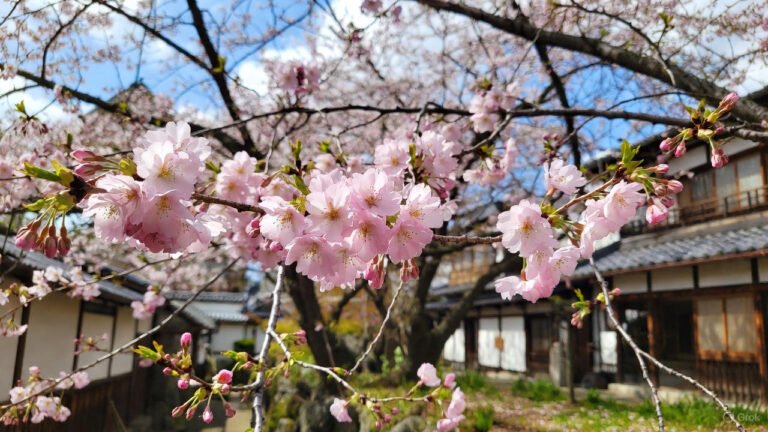
Spring is the most popular season for good reason — the iconic sakura (cherry blossoms) turn Japan into a dreamlike wonderland.
The 2026 forecast points to an earlier bloom due to expected warm weather, with Tokyo, Kyoto, and Osaka seeing first flowers around March 19–27 and full bloom in early April (typically lasting about a week).
Pros:
- Mild, comfortable weather (15–22°C / 59–72°F)
- Vibrant festivals and hanami (blossom-viewing) picnics
- Lush greenery and blooming flowers everywhere
Cons:
- Very crowded (especially Golden Week in late April/early May)
- Higher prices and the need to book accommodations early
Here are some of the most enchanting cherry blossom scenes in Kyoto:
These paths and temples under a canopy of pink are what make spring unforgettable.
Autumn (September–November): Fiery Foliage & Perfect Weather
Many locals and repeat visitors consider autumn the absolute best time to visit Japan. The koyo (autumn leaves) paint temples, mountains, and gardens in vivid reds, oranges, and golds.
Peak colors arrive later in central areas like Tokyo and Kyoto (late November to early December), while northern regions like Hokkaido start earlier (October).
Pros:
- Crisp, comfortable weather (10–20°C / 50–68°F)
- Fewer crowds than spring
- Stunning scenery for photography and hiking
Cons:
- Occasional rain in September/early October (typhoon season)
- Some early peaks in northern areas if you’re short on time
Prepare to be mesmerized by these classic red maple scenes in Kyoto temples:
Autumn offers the perfect balance of beauty, comfort, and serenity.
Summer (June–August): Festivals & Energy
Summer brings heat, humidity, and the lively spirit of Japanese festivals (matsuri).
Pros:
- Endless outdoor events, including spectacular fireworks (hanabi)
- Beaches in Okinawa and hiking in cooler Hokkaido
Cons:
- Hot and very humid (30°C+ / 86°F+ with high humidity)
- Rainy season (tsuyu) in June–mid-July
The night skies explode with color during summer fireworks festivals:
If you love energy and don’t mind the heat, summer is vibrant and fun.
Winter (December–February): Snow, Onsen & Serenity
Winter turns northern Japan into a snowy paradise, while central areas stay mild.
Pros:
- Fewer crowds and lower prices
- Magical snow festivals (like Sapporo Snow Festival)
- Soaking in hot springs (onsen) with snowy views
Cons:
- Cold temperatures (especially in Hokkaido)
- Shorter days
The winter wonderland comes alive during festivals like these in Hokkaido:
Winter is ideal for peaceful exploration and unique seasonal experiences.
Quick Comparison Table
| Season | Weather | Crowds | Highlights | Best For |
|---|---|---|---|---|
| Spring | Mild & pleasant | Very high | Cherry blossoms | First-timers, nature lovers |
| Autumn | Crisp & comfortable | Moderate | Fall foliage | Photographers, relaxed trips |
| Summer | Hot & humid | High | Festivals & fireworks | Party-goers, beach seekers |
| Winter | Cold (snow in north) | Low | Snow festivals & onsen | Budget travelers, winter sports |
Final Recommendation
If it’s your first visit, aim for late March to early April (cherry blossoms) or mid-October to late November (autumn foliage) — these seasons offer the most iconic Japanese experiences with the most comfortable weather. Book early, monitor forecasts (especially for sakura), and you’ll create memories that last a lifetime.
Japan is beautiful year-round — the real question is which version of Japan you want to fall in love with. Safe travels! 🇯🇵
