
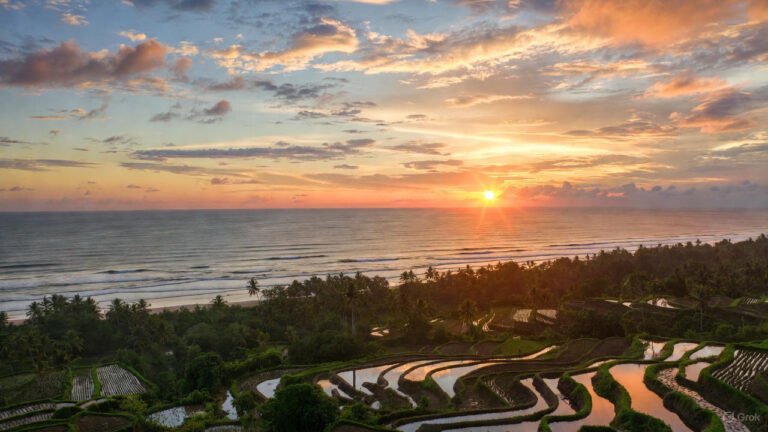
Bali, the legendary Island of the Gods, captivates travelers with its stunning beaches, lush rice terraces, ancient temples, and vibrant culture. But with its tropical climate divided into distinct dry and wet seasons, timing your visit can make all the difference. While there’s no single “perfect” month— it depends on your priorities like weather, crowds, budget, or activities—most experts agree that the shoulder months of May, June, and September strike the ideal balance.
These months offer reliable sunshine, lower humidity, manageable crowds, and excellent conditions for beaches, hiking, and surfing, all without the peak-season chaos of July-August.
Bali’s Seasons at a Glance
Bali has two main seasons:
- Dry Season (April–October): Sunny skies, low rainfall, and cooler breezes. Ideal for outdoor adventures, but busier and pricier in peak months.
- Wet Season (November–March): Heavier rains (often short afternoon showers), higher humidity, lush greenery, fewer tourists, and better deals.
Temperatures hover around 27–32°C (81–90°F) year-round, so it’s always warm— the real variables are rain, crowds, and costs.
Why May, June, and September Stand Out
These shoulder months deliver the best of the dry season without the downsides:
- Excellent Weather: Mostly sunny with minimal rain, perfect for beach days and exploring.
- Fewer Crowds: Avoid the July-August rush (school holidays from Europe/Australia).
- Great Value: Lower prices on hotels and flights compared to peak summer.
- Vibrant Vibes: Festivals like the Bali Arts Festival (June–July) add cultural flair.
September is particularly praised for its dry, breezy conditions and stunning rice terraces at peak green.
Dry Season Pros & Cons (April–October)
Pros:
- Reliable sunshine and clear skies—great for snorkeling, diving, hiking Mount Batur, or relaxing on beaches.
- Cleaner beaches and better visibility for water activities.
- Kite festivals and cultural events in full swing.
Cons:
- Peak crowds and higher prices in July–August (book early!).
- Can feel overwhelmingly busy in hotspots like Seminyak or Ubud.
Bali says enough as tourists crowd ‘island of gods’
Wet Season Pros & Cons (November–March)
Pros:
- Lush, green landscapes and dramatic waterfalls.
- Fewer tourists for a more authentic, peaceful experience.
- Lower prices (up to 40% off accommodations) and easier bookings.
- Excellent surfing on the east coast; cultural festivals like Nyepi (silent day, usually March).
Cons:
- Frequent rain showers (heaviest in January–February), which can disrupt plans.
- Higher humidity and occasional flooding in rural areas.
Month-by-Month Breakdown
- January–March: Wettest; budget-friendly but rainy. Great for culture (Nyepi in March).
- April: Transition to dry—warming up, fewer crowds.
- May–June: Top picks—sunny, pleasant, vibrant festivals.
- July–August: Driest and sunniest, but peak crowds and prices.
- September–October: Excellent dry weather, thinning crowds.
- November–December: Rain returns; cheaper, with holiday spikes around Christmas/New Year.
Final Thoughts: What’s Your Ideal Bali Trip?
If you’re chasing postcard-perfect beaches and adventure, aim for May, June, or September. For surfers, divers, or party-goers, July–August won’t disappoint despite the bustle. Budget travelers or those seeking serenity might love the wet season’s lush, uncrowded charm.
No matter when you go, Bali’s magic shines through. Pack light clothes, reef-safe sunscreen, and an open mind— the island will reward you with unforgettable experiences. Safe travels to paradise! 🌴
